
When it comes to maximizing the potential of coco coir, using the right nutrients is crucial. That’s where Hydrosavvy Coco A & B comes in. In this comprehensive guide, we’ll explore how to effectively use Hydrosavvy Coco A & B, a two-part balanced nutrient feed specifically designed for coco/peat/perlite mixes, and master the art of growing in coco coir.
Hydrosavvy Coco A & B are formulated to provide the macro and chelated micronutrients that are essential for healthy plant growth in coco coir. Coco A and Coco B work together in equal amounts to provide a balanced nutrient solution that meets the unique requirements of plants grown in coco coir. The chelated micronutrients ensure easy availability and uptake by the plants, while the macronutrients provide the necessary building blocks for growth and development.
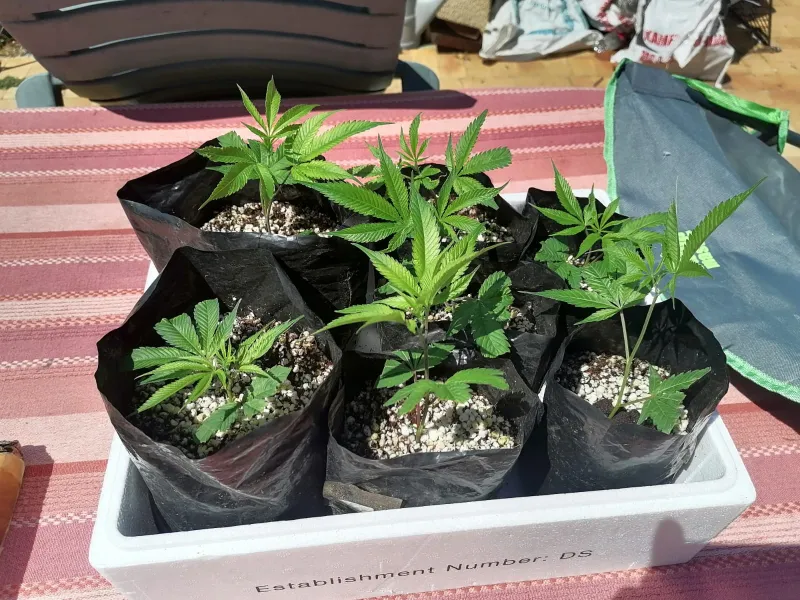
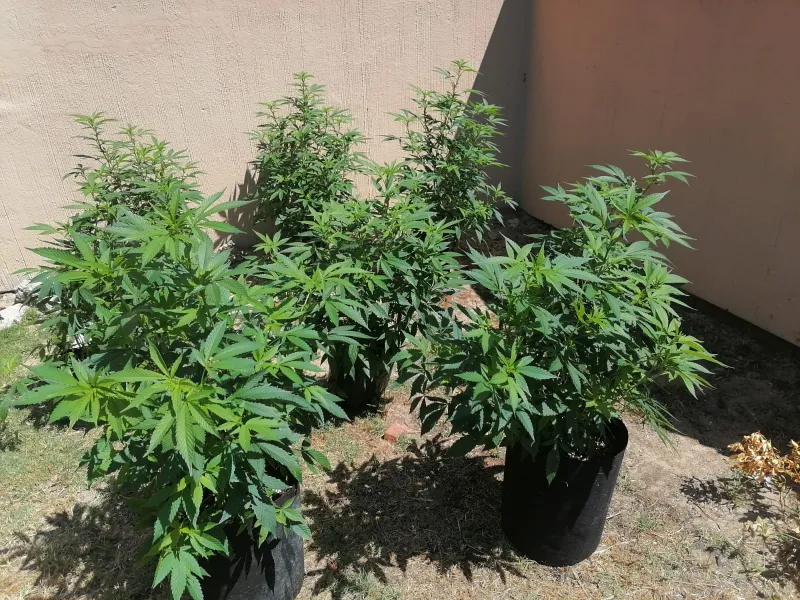
Plants grown in coco coir have specific nutrient requirements that differ from those grown in soil or other mediums. Coco coir acts as a buffer, holding onto and releasing nutrients to the plants as needed. Hydrosavvy Coco A & B are formulated to provide the right balance of nutrients for optimal growth in coco coir. The macronutrients, such as nitrogen, phosphorus, and potassium, are essential for plant growth and development, while the chelated micronutrients, such as iron, zinc, and manganese, play a vital role in enzyme function and overall plant health.
Following the recommended feeding schedule and application rates is crucial for achieving the best results with Hydrosavvy Coco A & B. The Hydrosavvy Feeding Schedule provides detailed instructions on when and how much to feed, depending on the growth stage of your plants. It’s important to measure and adjust the pH of the nutrient solution to ensure optimal nutrient uptake by the plants. Overfeeding or underfeeding can lead to nutrient imbalances and affect plant health and yield. Be sure to carefully follow the feeding schedule and application rates for the best results.
To get the most out of Hydrosavvy Coco A & B, it’s important to follow some best practices. Start by properly mixing Coco A and Coco B in equal amounts, following the recommended ratios. Use clean water and clean equipment to prevent contamination. Monitor the pH and EC (electrical conductivity) of the nutrient solution regularly and make adjustments as needed. Avoid letting the nutrient solution sit stagnant for too long to prevent the growth of harmful bacteria or algae. Properly manage nutrient runoff to prevent salt buildup in the coco coir. Regularly flush the coco coir with plain water to prevent nutrient buildup and maintain optimal nutrient uptake by the plants.
Close monitoring of plant health and growth is essential when using Hydrosavvy Coco A & B. Observe the plants for any signs of nutrient deficiencies or excesses, such as yellowing leaves, stunted growth, or burnt tips. Measure the pH and EC of the runoff to ensure the nutrient solution is being properly absorbed by the plants. Adjust the nutrient solution as needed based on plant responses and environmental conditions. Regularly measure and monitor nutrient levels in the coco coir to prevent imbalances and maintain optimal nutrient availability for the plants.
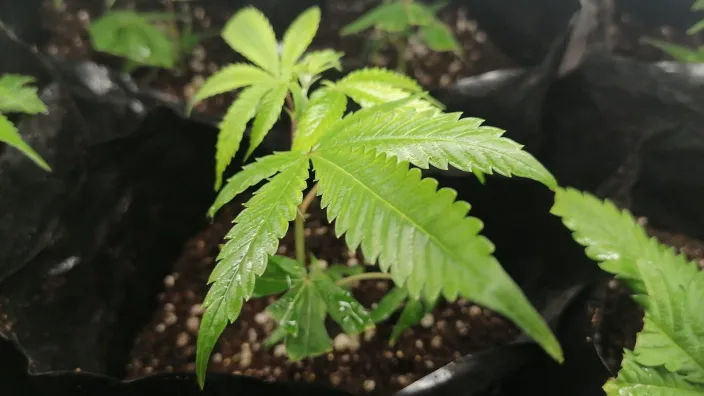
Despite careful planning and execution, sometimes issues may arise. Here are some tips for troubleshooting:
- pH: If the pH of the nutrient solution or runoff is too high or too low, it can affect nutrient uptake by the plants. Use pH meters or test strips to regularly monitor and adjust the pH of the nutrient solution to the recommended range for coco coir, which is typically between 5.5 and 6.5.
- EC: Electrical conductivity (EC) measures the concentration of nutrients in the nutrient solution. Too high or too low EC levels can result in nutrient imbalances. Monitor and adjust the EC of the nutrient solution based on the growth stage and needs of your plants, as well as the recommended levels for coco coir.
- Nutrient Deficiencies/Excesses: Keep an eye out for signs of nutrient deficiencies or excesses in your plants, such as yellowing leaves, brown tips, or burnt edges. Adjust the nutrient solution accordingly to address any imbalances and provide the right nutrients in the right amounts.
- Watering: Overwatering or underwatering can affect plant health and nutrient uptake in coco coir. Be mindful of the moisture levels in the coco coir and adjust the watering frequency accordingly. Avoid letting the coco coir dry out completely or become overly saturated, as both can impact nutrient availability.
- Flushing: Regularly flushing the coco coir with plain water can help prevent nutrient buildup and maintain optimal nutrient uptake. Follow recommended flushing guidelines to avoid leaching out essential nutrients.
Using Hydrosavvy Coco A & B can be a game-changer for growers looking to achieve outstanding results in coco coir. By following the recommended feeding schedule, application rates, and best practices, you can master the art of growing in coco coir and achieve healthy, vibrant plants with robust growth and high yields. Regular monitoring and troubleshooting can help you address any issues that may arise and ensure optimal plant health and performance. With Hydrosavvy Coco A & B as your go-to nutrient solution, you’ll be well on your way to becoming a coco coir growing expert!
We hope you enjoyed this comprehensive guide to using Hydrosavvy Coco A & B. If you have any further questions or need additional guidance, feel free to consult the product’s instructions or seek advice from experienced growers. Happy growing with coco coir and Hydrosavvy Coco A & B!

